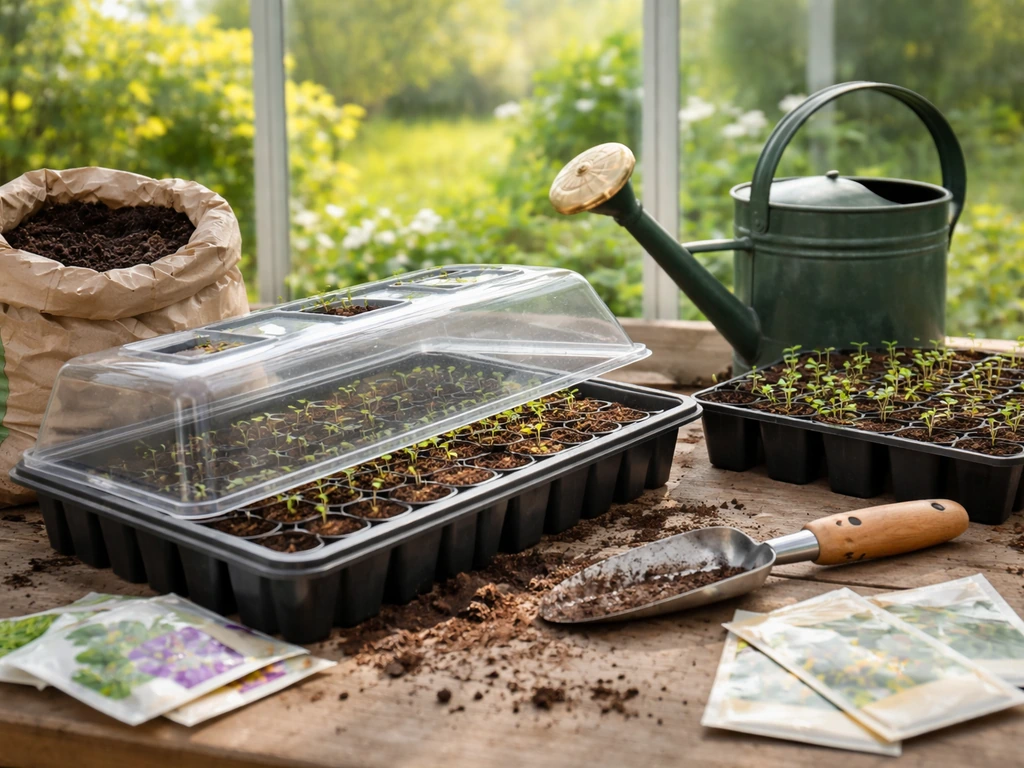
Scotland can grow a lot more than people give it credit for. Yes, the summers are cool and short, the frosts come early and leave late, and if you're on the west side, the rain barely stops. But plenty of vegetables, fruits, herbs, and perennials thrive here, and with a bit of smart planning, a decent polytunnel, and the right variety choices, you can eat from your garden for most of the year. This guide gives you the honest picture: what grows reliably outdoors, what needs protection, and exactly what you should be planting right now in late March.
What Can You Grow in Scotland: Practical Guide for Every Gardener
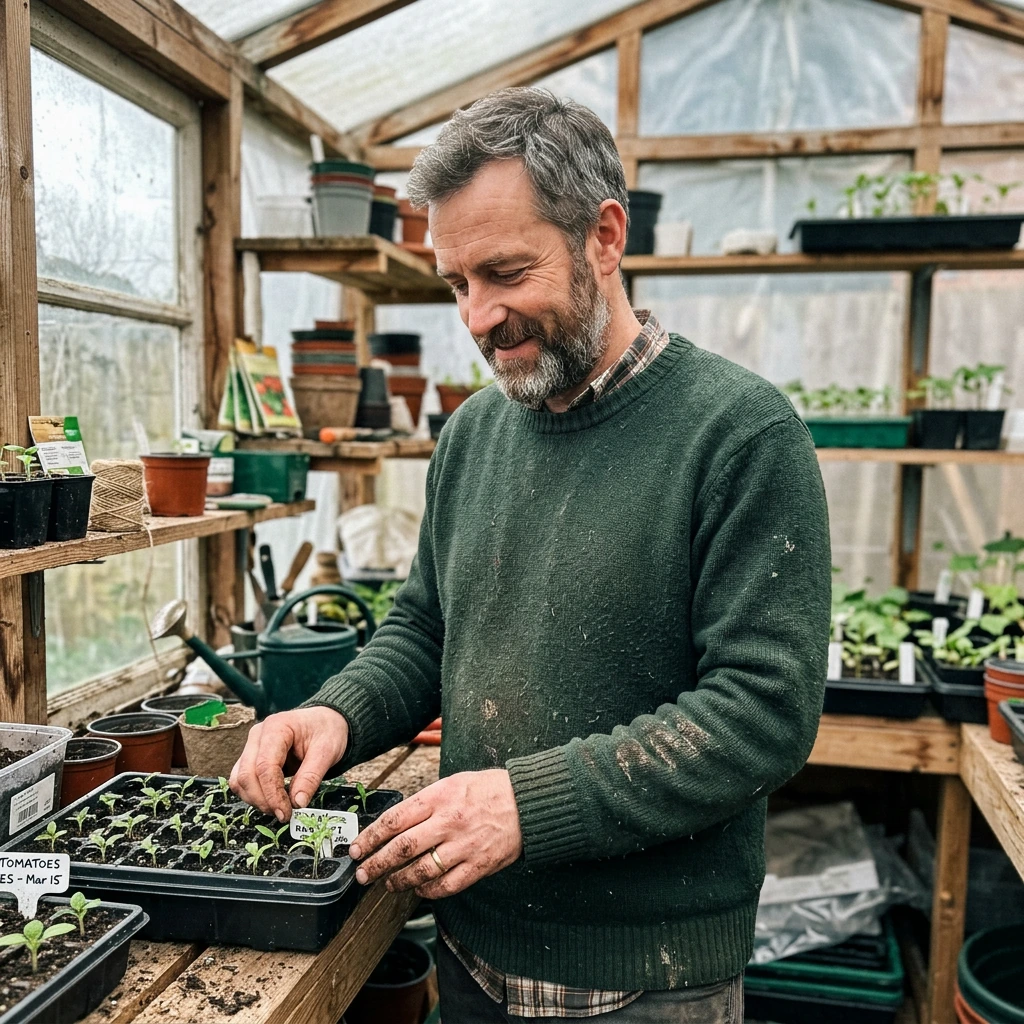
James Hartwell
24 Mar 2026
Scotland's climate in plain terms
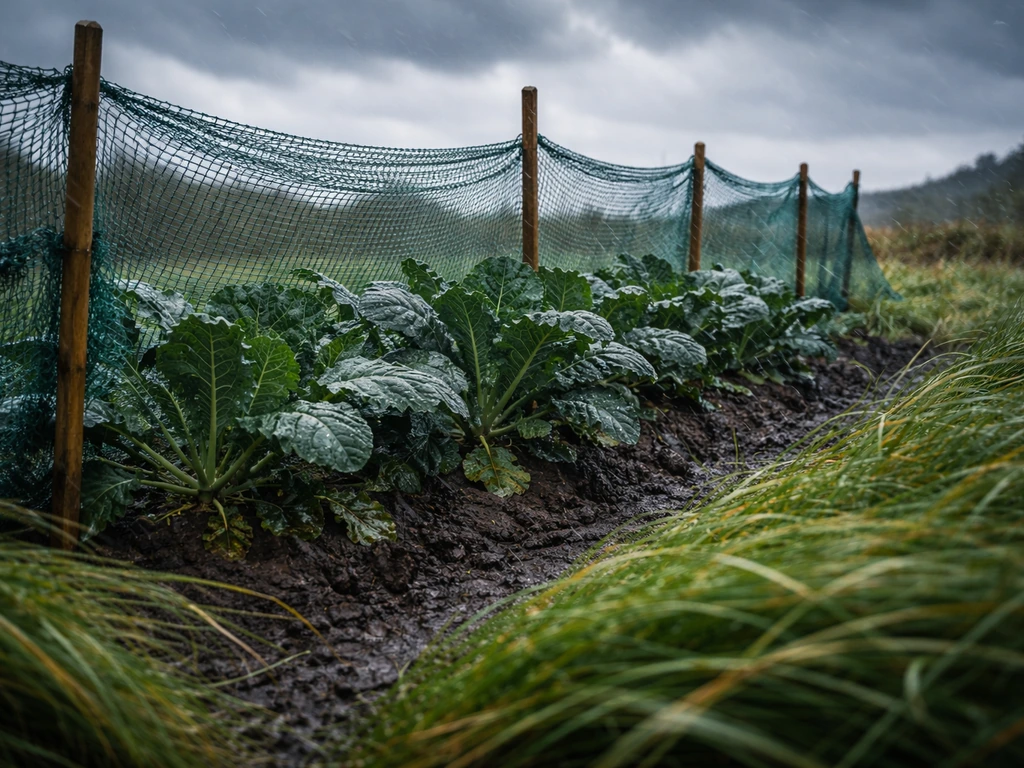
Scotland sits roughly in USDA hardiness zones 7a to 8b depending on where you are, but the USDA scale doesn't tell the whole story here. The bigger issues are cool summers, a short frost-free window, and the west-to-east rainfall divide. Annual rainfall ranges from under 1000 mm in the upper Clyde valley and parts of the Ayrshire and Dumfries and Galloway coasts, all the way to over 3500 mm in the higher parts of the west Highlands. what can you grow in the uk
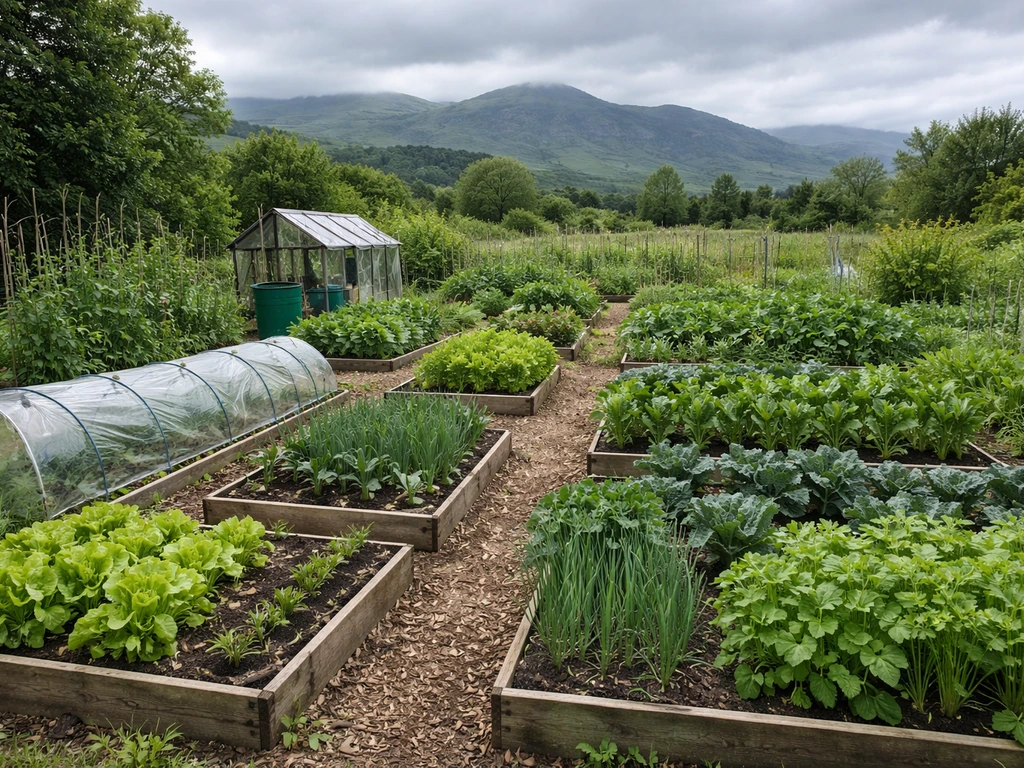
Prevailing winds come from the southwest, bringing moist Atlantic air. The north and west are generally windier than the south and east, and coastal hilltops get the worst of it. Inland, lower-lying spots are noticeably calmer. If you're in a sheltered east-coast position, say around Edinburgh, the Lothians, or Fife, your growing conditions are meaningfully better than someone gardening on an exposed Argyll hillside. That said, even the toughest Scottish locations have microclimates: a south-facing wall, a well-drained raised bed, or a sheltered courtyard can push conditions one zone warmer and make a real difference.
Frost dates are the key planning tool. Most of lowland Scotland sees its last spring frost somewhere between late April and mid-May, with higher ground and northern areas pushing into late May or even early June. First autumn frosts typically arrive in September to October in most areas. That gives you roughly 16 to 22 weeks of frost-free growing in the best lowland spots, dropping to 12 weeks or fewer on higher ground. Summer temperatures are cool, with July and August averages rarely exceeding 18 to 20°C even in the warmest spots, and daytime highs in the far north often sit closer to 15°C. What Scotland does offer is long summer days. In June and July, you get 17 to 18 hours of daylight in the north of the country, which compensates meaningfully for cool temperatures and accelerates leafy and root crop growth.
Easy wins: vegetables and herbs that reliably grow outdoors
The good news is that the vegetable crops most people actually want to grow are very well suited to Scotland. Cool, moist conditions are ideal for leafy vegetables, root crops, and many brassicas. These are not consolation prizes: properly grown Scottish salad, kale, leeks, and new potatoes are genuinely excellent.
- Potatoes: Scotland's most famous vegetable crop for good reason. First and second earlies do brilliantly, and maincrop varieties are reliable in most lowland areas. Chit from late February and plant out from mid-April in the south, May in the north.
- Courgettes: One of the most productive summer vegetables here once planted out after your last frost. Start indoors in April and harden off before transplanting in late May or early June.
- Peas: Love cool, moist conditions and can be sown direct from March (with cloche protection) or April without. Mangetout and sugarsnap types do particularly well.
- Runner and French beans: Start indoors in late April for outdoor planting in late May to June, once frosts have passed. French beans are more reliable in cooler summers than runners.
- Lettuces and salad leaves: Can be sown outdoors from March under cover, and continuously through to September. Slugs are your main problem, not the weather.
- Spinach and chard: Both very hardy and cope well with the cool and wet. Chard especially is productive from spring through autumn and even survives mild winters outdoors.
- Leeks: Arguably Scotland's best outdoor vegetable. Sow in trays from February to March, plant out from June, and harvest from autumn right through winter.
- Onions and shallots: Grow well from sets planted in March to April. Choose varieties suited to long day lengths.
- Herbs: Chives, mint, parsley, and thyme are all reliable outdoors. Basil needs warmth (keep it under cover). For a fuller list of herbs worth trying outdoors in the UK, our guide on the best herbs to grow outdoors in the UK covers the options in detail.
Root crops and hardy brassicas: built for cold and wet
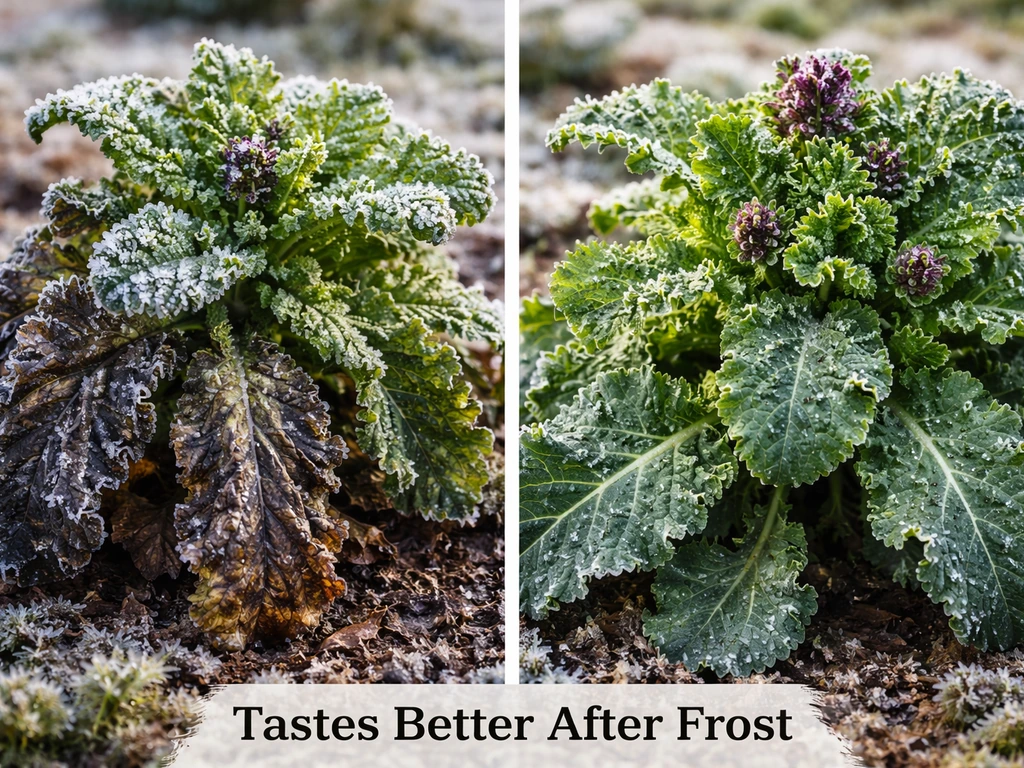
This is where Scotland genuinely excels. Hardy brassicas and root crops handle cool, wet growing seasons without complaint, and many of them actually taste better after a frost has converted their starches to sugars.
Kale is probably the single best outdoor crop for Scottish gardens. It shrugs off frost down to minus 10°C, grows through winter in most lowland areas, and produces over an incredibly long season. Varieties like 'Redbor', 'Cavolo Nero', and 'Dwarf Green Curled' are all excellent. Sow in April to May for harvest from autumn onwards. Swede is another classic, reliably productive across the whole country and genuinely improved by frost. Sow direct in late May to June and harvest from October. Turnip is even quicker: sow from April and you can be harvesting in eight weeks. Both are unfussy about soil as long as drainage is reasonable.
Cabbages of all types are very well suited to Scotland. Spring cabbages sown in late summer will overwinter and heart up from March, while summer and autumn varieties sown in March to April give solid harvests from July onwards. Brussels sprouts are excellent in Scotland, and the long growing season here actually improves their flavour. Sow in March under cover and plant out in May. Calabrese (the standard green broccoli) is reliable from a May sowing for late summer harvest. Purple sprouting broccoli is one of the best crops you can grow here: plant it out in summer, let it overwinter, and harvest the spears from February to April, when almost nothing else is producing. Carrots and parsnips both do well in Scotland, particularly in lighter, stone-free soils. Sow carrots from April to July and parsnips in March to April for autumn and winter harvest. Beetroot is fast and reliable from an April sowing under cloches, or May to June direct.
Soft fruit and fruiting crops
Scotland has a strong tradition of commercial soft fruit growing, particularly in Perthshire and Angus, and for good reason. Many berries thrive in cool, moist conditions and ripen well on long summer days even without high heat.
Strawberries are reliable in most Scottish gardens. The key is choosing an appropriate variety. 'Honeoye' and 'Rhapsody' are both early and dependable. Perpetual varieties like 'Mara des Bois' extend the season usefully. Plant in spring or late summer for the best establishment. Raspberries are perhaps the ideal Scottish fruit crop: they love cool, moist conditions, cope with acidic soil common in many parts of the country, and are very productive. Both summer and autumn-fruiting varieties do well. 'Glen Ample', 'Glen Lyon', and 'Autumn Bliss' are all excellent choices. Blackcurrants, redcurrants, and whitecurrants are all highly recommended for Scottish growing. They are frost-hardy, productive, and unfussy. 'Ben Connan' and 'Ben Hope' blackcurrants were developed specifically with Scottish conditions in mind. Gooseberries are similarly tough and reliable.
Blueberries are worth growing if your soil is naturally acidic, which it often is in Scotland, particularly in upland and western areas. They need a pH of around 4.5 to 5.5, so test before you plant. If your soil is neutral or alkaline, grow them in containers of ericaceous compost. Apples are genuinely possible across most of lowland Scotland, but variety choice is critical. You need early-ripening, disease-resistant varieties suited to cool climates. 'James Grieve', 'Discovery', and 'Katy' all ripen early enough to avoid the autumn frosts. Pears are trickier because they blossom earlier than apples and are more frost-sensitive, but fan-training on a south-facing wall works well in sheltered spots. 'Conference' and 'Beth' are the most reliable. Plums are possible in warmer, more sheltered lowland areas, particularly the east. 'Opal' is a good choice. Avoid dessert cherries unless you have a very warm, sheltered position or a polytunnel. Tomatoes and cucumbers grown outdoors are genuinely risky in Scotland and rarely fulfil their potential. If you want a decent crop, they really need protection, which brings us to the next section.
What to grow in a greenhouse or polytunnel (and in containers)
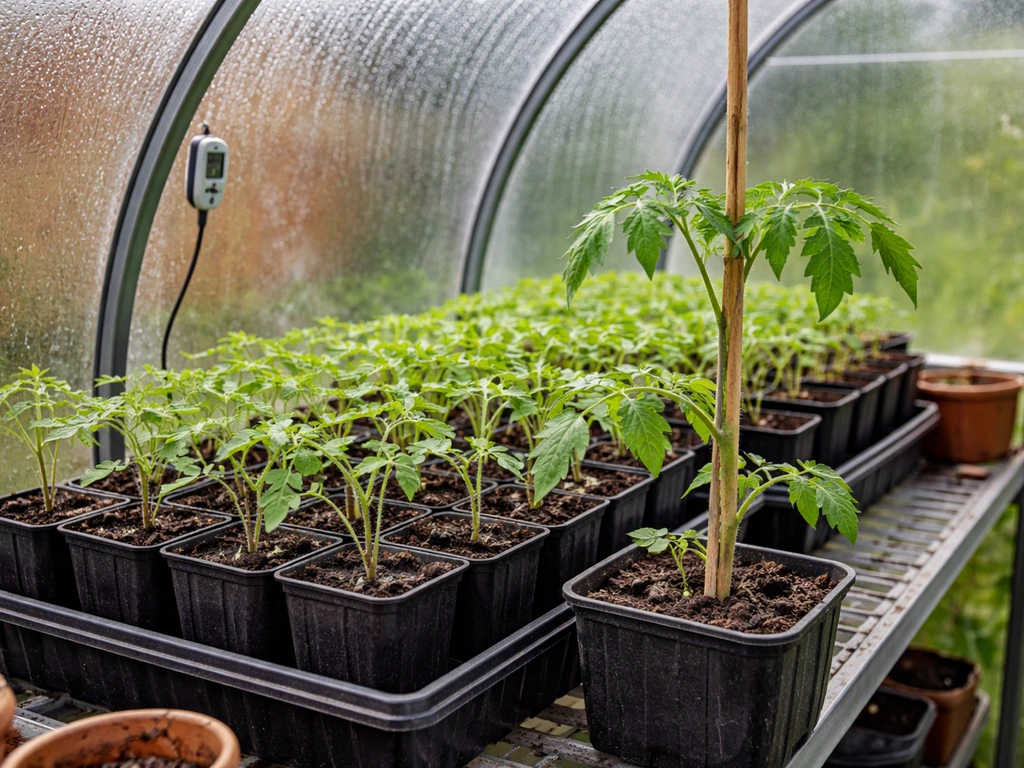
A polytunnel or greenhouse is not essential for Scottish growing, but it opens up a completely different tier of crops, and if you have the space and budget, it's worth doing. Polytunnels are significantly cheaper than greenhouses and work just as well for most food crops. Even a small 6x10 foot tunnel makes a transformative difference.
Tomatoes are the number one reason most Scottish growers invest in protection. Under cover, you can reliably grow cordon tomatoes like 'Gardener's Delight', 'Alicante', or 'Sungold' with good results. Sow in late February to March, pot on, and plant into the tunnel from late May. Cucumbers, peppers, and aubergines all need protected growing in Scotland. Cucumbers are the easiest of the three; peppers are achievable with warmth; aubergines are difficult even under glass and rarely rewarding unless you have good heat. Melons can be done in a polytunnel with a warm season. Chillies are more tractable than sweet peppers and do well in pots in a greenhouse or polytunnel. Basil thrives under cover in Scotland when it struggles outdoors.
Containers are particularly valuable for crops that want sharp drainage or warmth. Courgettes, tomatoes, cucumbers, chillies, blueberries, figs (in a sheltered spot against a wall), and herbs like rosemary and thyme all do well in containers. The key with containers in Scotland is not to let them sit in waterlogged conditions, which is easy when rainfall is heavy. Raise containers off the ground with feet or bricks for drainage and use a well-structured compost. For crops that just need a few weeks' head start, cloches, fleece, and row cover are cheaper alternatives to a full polytunnel. They bring forward outdoor sowing by three to four weeks and protect tender crops from light frosts.
Flowers and perennials worth establishing in Scotland
Scotland has a rich tradition of ornamental growing, and many perennials that struggle in hot, dry English summers actually do better here. Cool, moist conditions suit a wide range of plants, and long summer days push growth hard once things get established.
Hardy perennials like lupins, delphiniums, astrantia, geraniums (the hardy cranesbill type, not the tender pelargoniums), and echinacea all do well across most of Scotland. Hostas thrive in the cool and moist conditions, though you'll fight slugs constantly. Heucheras and ferns are excellent choices for shadier, wetter spots. [Heather is almost synonymous with Scottish landscapes](/hardy-garden-plants/does-heather-grow-in-scotland) and is entirely reliable across the country, including upland and exposed sites. Our article on whether heather grows in Scotland goes into much more detail on the different varieties and growing conditions.
For edible ornamentals, nasturtiums are one of the easiest and most rewarding crops in Scotland: sow direct from May, and they romp away in cool conditions. The flowers, leaves, and seeds are all edible. Borage self-seeds prolifically and the blue flowers are excellent in salads and drinks. Calendula is another brilliant edible flower for Scottish gardens, highly productive, self-seeding, and attractive to beneficial insects. Chives produce edible flowers alongside their leaves and are almost completely care-free. Perennial herbs like thyme, sage, and lovage are all reliably perennial in most of Scotland and double as ornamentals. For growing perennials from seed, which is a great low-cost route to establishing a planting, our guide to the [best perennials to grow from seed uk](/hardy-garden-plants/best-perennials-to-grow-from-seed-uk) covers a wide range of reliable options.
Hardy annuals for cutting, including sweet peas, cornflowers, larkspur, and ammi, all perform exceptionally well in Scotland. Sweet peas especially love the cool, moist conditions and produce for months. Dahlias are possible but need to be lifted and stored over winter in most Scottish areas, as the tubers will rot in wet, cold soil. In very sheltered, well-drained spots in the south and west, you can sometimes get away with mulching them heavily and leaving them in the ground, but lifting is safer.
Scotland vs the south: honest comparisons
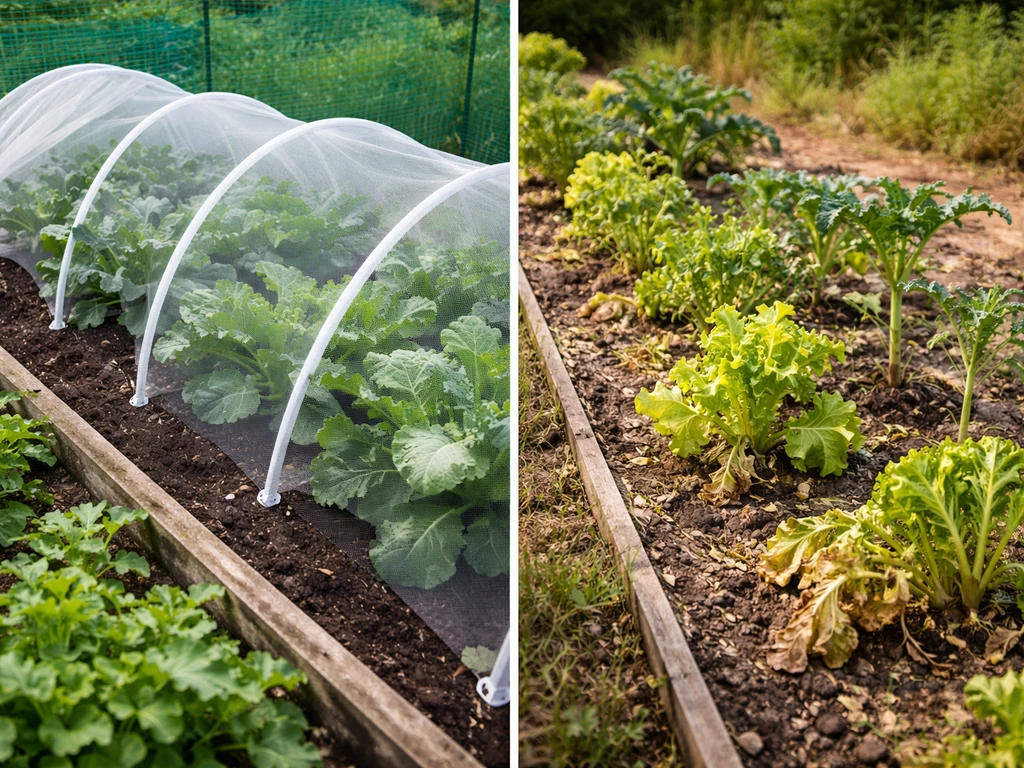
It's worth being direct about where Scotland falls short compared to warmer parts of the UK, and where it genuinely holds its own or wins. Here's the honest comparison across key crop categories:
| Crop | Scotland outdoors | South of England outdoors | Notes |
|---|---|---|---|
| Kale and brassicas | Excellent | Good | Scotland's cool and moist conditions actually suit these well |
| Leeks | Excellent | Good | One of Scotland's best crops |
| Potatoes (early) | Excellent | Excellent | Plant 2-4 weeks later than the south |
| Raspberries and currants | Excellent | Good | Prefer cooler conditions |
| Strawberries | Good | Excellent | Possible but less reliable than further south without protection |
| Tomatoes (outdoor) | Poor | Good | Really need protection in Scotland |
| Courgettes | Good | Excellent | Fine outdoors with correct timing |
| Apples (early varieties) | Good in lowlands | Excellent | Variety choice critical in Scotland |
| Sweetcorn | Risky outdoors | Good | Needs warmest, most sheltered Scottish sites or protection |
| Aubergines and peppers | Polytunnel only | Possible outdoors in warm years | Not worth attempting outdoors in Scotland |
| Dahlias | Possible, lift in autumn | Possible, sometimes overwinter | More effort in Scotland but doable |
| Soft fruit generally | Very good to excellent | Good to excellent | Scotland has genuine commercial strength here |
If you're comparing what Scotland can grow to somewhere like Portugal or southern Europe, the gap is much larger: warm-climate crops like olives, citrus, figs (without wall training), and aubergines are simply not practical outdoors in Scotland. But compared to other parts of the UK, the gap is smaller than most people assume, and smart variety choices close it further. what can you grow in portugal
What to plant and when: your month-by-month action plan
Here's a practical month-by-month guide based on average Scottish conditions. If you're in the Highlands or at altitude, shift everything two to three weeks later. If you're in a sheltered lowland spot in the south of Scotland, you may be able to push a week or two earlier.
February
- Start chitting seed potatoes on a windowsill
- Sow onions, leeks, and celery in trays indoors
- Sow early tomatoes and peppers under heat (minimum 18°C) for polytunnel growing
- Prune apple and pear trees while dormant
- Order seeds if you haven't already
March (where you are now)
- Sow broad beans direct outdoors with cloche protection, or in pots indoors
- Sow peas in guttering or pots indoors for planting out in April
- Sow lettuces, spinach, and spring onions under cloches or in a cold frame
- Sow parsnips direct as soon as soil reaches 7°C
- Plant onion sets and shallot sets in well-prepared beds
- Sow kale, cabbage, and Brussels sprouts in trays indoors
- Plant out bare-root fruit bushes and canes if not already done (last chance)
- Top-dress raised beds and vegetable plots with compost before sowing season begins
- Sow sweet peas indoors for planting out in May
April
- Plant early potatoes in the south and west; wait until late April to early May in the north or at altitude
- Sow beetroot, carrots, turnip, and lettuce direct under cloches
- Sow courgette, cucumber, and squash indoors (they grow fast, don't sow too early)
- Transplant broad beans and peas sown earlier
- Continue sowing salad leaves for successional harvests
- Sow French and runner beans indoors in late April
May
- Plant maincrop potatoes
- Harden off and plant out courgettes, squashes, and other tender crops after last frost (check your local last frost date)
- Sow sweetcorn in pots indoors for the warmest, most sheltered sites
- Transplant tomatoes, cucumbers, and peppers into polytunnel or greenhouse
- Sow carrots, beetroot, swede, and summer cabbages direct
- Plant out leek seedlings grown from February sowings
- Direct sow nasturtiums, borage, and calendula outdoors
June to August
- Succession sow salad leaves, radishes, and turnips every three weeks
- Sow French beans direct outdoors in June in sheltered spots
- Earth up potatoes as needed
- Sow purple sprouting broccoli and kale for autumn and winter harvest
- Plant strawberry runners for next year's crop
- Keep on top of watering in polytunnel crops during dry spells
- Harvest earlies from July onwards
September to October
- Harvest maincrop potatoes and root crops for storage
- Sow overwintering spinach, lamb's lettuce, and hardy salad leaves under cover
- Plant spring cabbage seedlings
- Sow garlic and overwintering onion sets outdoors
- Lift and store dahlia tubers before first hard frost
- Clear spent crops and add to compost; dig in green manures
- Plant bare-root fruit trees and bushes from October onwards
November to January
- Harvest leeks, kale, Brussels sprouts, and purple sprouting broccoli right through winter
- Order seeds and plan beds for the following year
- Prune fruit trees and currant bushes
- Apply mulch to perennial beds and soft fruit to protect roots and suppress weeds
- Check stored root vegetables and potatoes for rot
Soil, variety choice, and the practical bits that make the difference
Scottish soils vary widely. Much of the west and upland areas have acidic, peaty soil that's excellent for raspberries, blueberries, and potatoes but needs lime for brassicas, which prefer a pH around 6.5 to 7. If you're new to a plot, the single most useful thing you can do is a basic soil pH test (around £5 from any garden centre) and find out whether drainage is your main problem or waterlogging. Heavy clay soils, common in parts of central Scotland, need organic matter and ideally raised beds for most vegetable growing. Sandy soils, found on some east coast areas, drain fast and warm up quickly but dry out in summer.
Variety choice is genuinely the highest-leverage decision you make as a Scottish grower. The difference between 'James Grieve' and an unsuitable late-season apple variety is the difference between a reliable harvest and no harvest at all. For almost every crop, choose varieties described as 'early', 'quick maturing', or developed for cool climates. Scottish seed suppliers like Highmoor Farm Seeds and specialist UK companies sell varieties specifically trialled in northern conditions. When in doubt, choose whatever the RHS Award of Garden Merit varieties recommend for northern UK conditions.
Wind protection is often underestimated. A windbreak, whether a hedge, a fence, or even a row of tall kale or Jerusalem artichokes, can raise the effective growing temperature in a garden significantly and prevent physical damage to tall crops. Netting is essential for brassicas due to pigeons and cabbage white butterflies. Slug control, whether nematodes, copper tape, traps, or encouraging frogs and hedgehogs, is the other constant battle in a moist Scottish garden. Don't underestimate it: slugs are the reason most people's lettuce fails, not the climate.
The bottom line is this: Scotland grows an impressive range of vegetables, fruit, herbs, and perennials. The limitations are real but manageable with timing, variety choice, and a modest amount of protection where it counts. Start with the easy wins, particularly potatoes, kale, leeks, raspberries, and currants, and build from there. Everything else follows once you understand your own site's microclimate and work with it rather than against it.
FAQ
What should I grow first in Scotland if I’m a beginner?
If you want the highest success rate, start with short-maturing crops and frost-hardy staples. In Scotland that usually means early brassicas (like spring cabbage), leaf and root veg (kale, lettuce in protected spots, radish, turnip), plus long-reliable perennials and soft fruit (raspberries, currants). These give you harvests even when the season is cooler or wetter than average.
Can I grow tomatoes and cucumbers outdoors in Scotland without protection?
Outdoor tomatoes and cucumbers can be tried, but you should expect either very late harvests or poor yields unless you have exceptional shelter. In practice, outdoors in Scotland usually fails because nights stay cold and rain keeps foliage wet, increasing disease risk. If you want tomato and cucumber reliably, plan on a polytunnel, greenhouse, or at minimum cloches plus fleece early season.
How do I decide what will grow well in my exact spot, not just Scotland in general?
It is often more about your microclimate than the national pattern. Check three things before sowing: your last spring frost timing (watch for sheltered vs exposed beds), wind exposure (a hedge or fence line can change results), and drainage (standing water during cool weather ruins many crops). Even a south-facing wall can shift success for wall-trained fruit and early crops.
What’s the best approach if my Scottish soil is heavy clay or stays wet?
A raised bed is one of the fastest fixes if you have waterlogging or heavy clay. Scotland’s wet seasons mean roots need air, so build beds up, improve with compost and well-rotted manure, and avoid digging in fresh manure right before planting. For crops like carrots and parsnips, aim for stone-free, well-structured soil, not just “loamy” soil.
Do I need to test soil pH in Scotland, and how often?
For soil pH, a single test is a good start, but re-test after major changes (especially if you add lime or grow blueberries for a few years). If you are unsure, remember this rule of thumb: brassicas usually need a higher pH, blueberries need strongly acidic soil. Also consider that peaty soils can look dark and fertile but still cause pH issues.
When should I protect brassicas from pigeons and cabbage white butterflies?
Netting and pest planning should be on from the moment brassicas are planted out. Pigeons and cabbage white butterflies can destroy seedlings quickly, and caterpillars can ruin growth before you notice. Use insect netting with no gaps at the edges, and don’t wait “until it gets warmer” since adult butterflies are active well before you might expect.
What’s the most common watering mistake people make when gardening in Scotland?
Crops that fail in Scotland are often killed by wet and cold, not drought. Water only when the top layer dries slightly, and water in the morning so leaves dry quickly. Raised beds and mulches help, but avoid soggy beds under cloches or tunnels, ventilate regularly, and never let pots sit in runoff water.
Why do my strawberries struggle in Scotland, and what’s the usual fix?
If you want strawberries but your yields are poor, the biggest fixes are variety and positioning. Choose a variety matched to your timing needs (early, reliable, or perpetual for a longer season). Also avoid waterlogged ground, because wet soil increases disease and fruit rot. Raised beds and good airflow make a noticeable difference.
What should I consider when choosing apple varieties for Scottish growing?
For apples, the main edge case is choosing a variety that ripens late or needs long heat sums. In Scotland, that can mean fruit stays green, then falls, or gets hit by autumn cold. Pick early-ripening, disease-resistant cultivars, and if you can, consider espalier or fan training to improve airflow and warmth.
If I want to grow blueberries, what’s the most important thing besides sunlight?
Blueberries are the classic “it depends” crop because pH is non-negotiable. Test before planting, and if your soil is not acidic enough, use containers with ericaceous compost or peat-free acidic substrate and top up as it breaks down. Also plan for feeding, blueberries need nutrients but they do not want lime or typical garden fertiliser.
What’s the best low-cost way to extend the season in Scotland?
If you’re trying to extend the season, cloches, fleece, and row cover are usually the most cost-effective. They mainly help with a short frost risk and give a small temperature boost, then remove them for watering and pollination when needed. For tomatoes, cucumbers, and peppers, protection needs to be warmer and more consistent, so a tunnel is more appropriate than just fleece.
How should I adjust sowing and planting dates for the Highlands versus lowland Scotland?
Cool climates can change “when” more than “whether.” Keep an eye on day length, growth stage, and temperature swings, and shift sowing dates slightly for Highlands or higher altitude (often later). A practical method is to treat the seed packet as a baseline but override it with frost dates and whether your protection can keep seedlings warm enough at night.
Next Article
Best Perennials to Grow From Seed in the UK
Top UK perennials to grow from seed plus sowing timings, stratification, light depth, pricking out, and troubleshooting.