
The honest answer is that summer squash, especially courgettes, are the easiest and most reliable squash to grow anywhere in the UK. Winter squash like butternuts are achievable too, but they need a longer season and a bit more planning. Get the variety right, start them off indoors, and time the planting to avoid frost, and you can harvest squash from July right through to October and beyond. Here's exactly what to grow and how to do it (including what can you grow in the UK). what do uk farmers grow
Best squash to grow in the UK: reliable varieties & how to grow

James Hartwell
24 Mar 2026
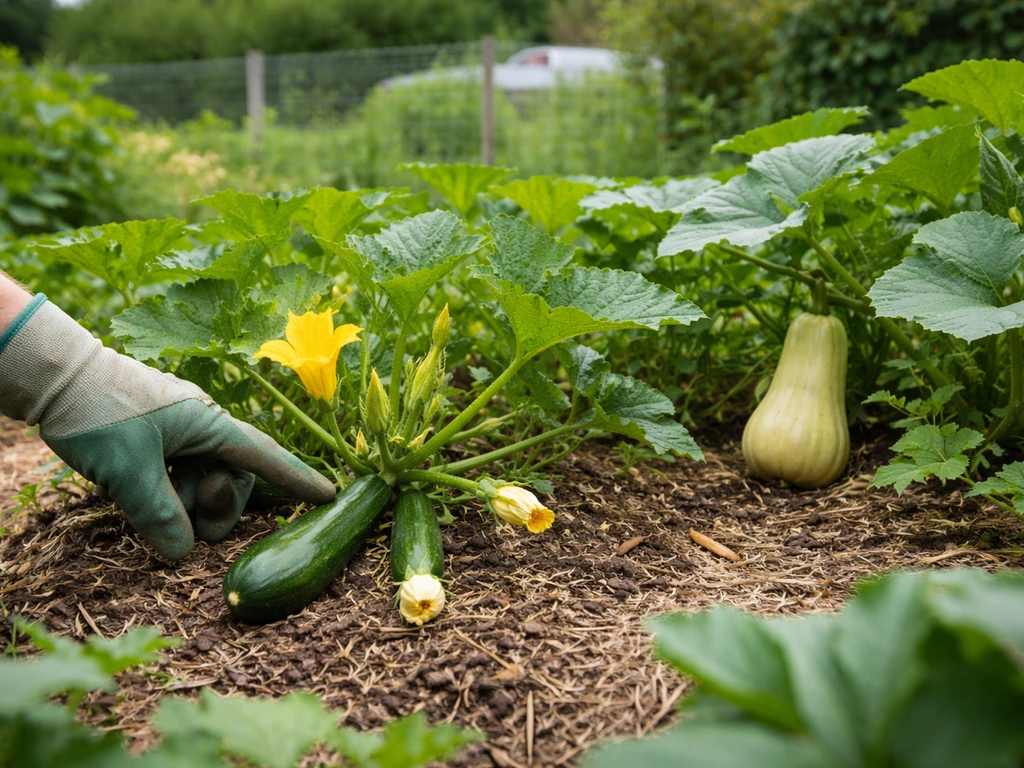
Summer squash vs winter squash in the UK
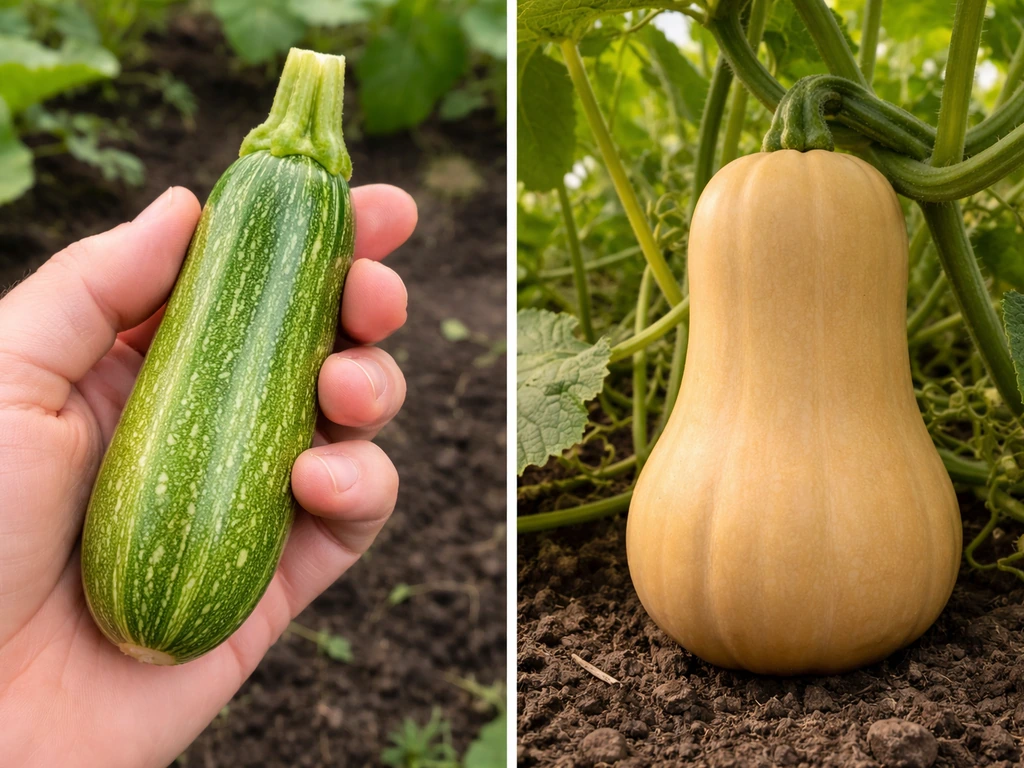
These two groups behave very differently, and it's worth being clear on what you're actually growing before you buy seeds.
Summer squash, which includes courgettes (zucchini), patty pans, and yellow crooknecks, are picked young while the skin is still soft. You harvest them regularly through summer and into autumn, but they don't store for long. They are fast-maturing, very productive, and well-suited to the UK's relatively short warm season. Even in colder parts of the country, a decent summer squash crop is realistic.
Winter squash, including butternuts, Crown Prince, Uchiki Kuri, and Delicata, are grown right to full maturity and then cured and stored. They can keep for months, which is the big appeal. The downside in the UK is that they need a longer growing season than we naturally have, which means earlier indoor sowing and ideally a sheltered spot or some protection. In the north of England and Scotland, winter squash is harder work; in the south and west, you can usually get a decent crop with care.
The varieties worth actually growing
Stick to RHS Award of Garden Merit (AGM) varieties where you can. These have been trialled for reliable performance, not just looks in a catalogue photo. For everything else, early-maturing is the phrase to look for, especially for winter squash.
Summer squash and courgettes
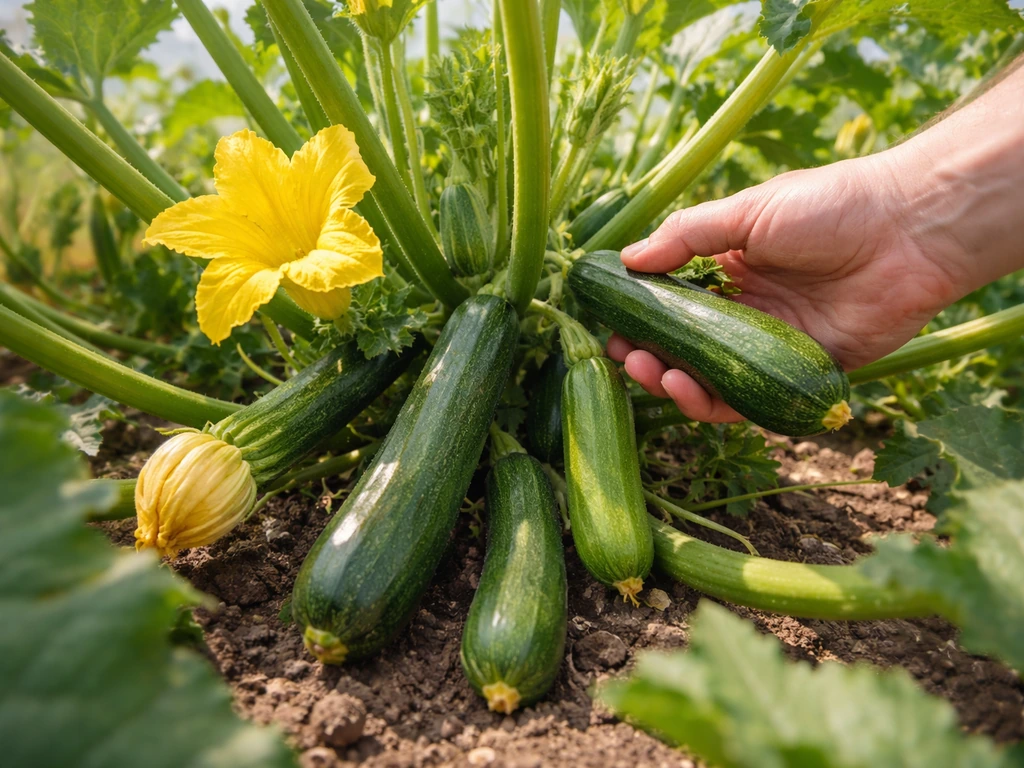
- Courgette 'Defender' F1 (AGM): One of the most reliable courgettes available, good disease resistance and very productive. A solid first choice for most UK growers.
- Courgette 'Parador' (AGM): Yellow-fruited, prolific through summer, and a good performer across UK conditions. Great if you want variety on the plate.
- Courgette 'Zucchini' (AGM): A classic dark green type that performs well in UK kitchen gardens. Reliable germination and strong plant.
- Courgette 'Black Forest' F1 (AGM): A climbing type that can be trained up supports, which is useful if you're short on ground space.
- Patty pan 'Sunburst' (AGM): A scallop-shaped yellow summer squash with good production. Worth growing if you want something different from a standard courgette.
Winter squash and butternuts
- Butternut 'Avalon': Bred for earlier maturity at around 88 days, which makes it much more achievable in British conditions than longer-season types.
- Butternut 'Early Nutter' F1: As the name suggests, selected specifically for early production. High-yielding and well-suited to shorter UK growing seasons.
- Butternut 'Winter Hunter' (AGM): A UK-bred butternut with RHS Award status, which means it's been tested here. One of the better long-term storage options.
- Crown Prince (AGM): A blue-grey-skinned squash with dense, sweet orange flesh. Slightly more forgiving than butternut in cool conditions, and it stores brilliantly.
- Uchiki Kuri (Red Kuri) (AGM): A Japanese onion-shaped squash with nutty flavour. Earlier than many winter types and a reliable cropper in the UK.
- Delicata: Smaller fruits that mature faster, making it a better bet in northern gardens or colder years.
Open ground vs growing under protection
Where you grow squash makes a real difference to how well they perform, and it's one of the things that separates a disappointing harvest from a good one in the UK.
Open ground works fine for summer squash in most of England and Wales. Courgettes in a sheltered, sunny spot will romp away from late May onwards once the soil has warmed up. Bush types are tidier and easier to manage; trailing types produce bigger harvests but need more space. For winter squash in open ground in southern England, you can get a reliable crop if you time things right, but in the Midlands and further north, open ground for butternuts and other long-season types is a gamble unless you have a warm, sheltered microclimate.
A polytunnel or greenhouse gives you three to four extra weeks at each end of the season, which is genuinely transformative for winter squash. If you're growing butternut in Scotland or northern England, some form of protection is not optional, it's what makes it possible. Even a cloche or a row of fleece over newly transplanted plants can make the difference between a plant that establishes well and one that sulks in cold soil for three weeks before doing anything.
Containers are another option, particularly for bush courgettes. A large pot of 30 to 40 litres can support a single courgette plant well, as long as you keep up with watering. Winter squash in containers is trickier because the plants are larger and thirstier, but compact varieties like Delicata can work. Move containers into a greenhouse or porch if temperatures drop unexpectedly in early summer or autumn.
When to sow and plant out
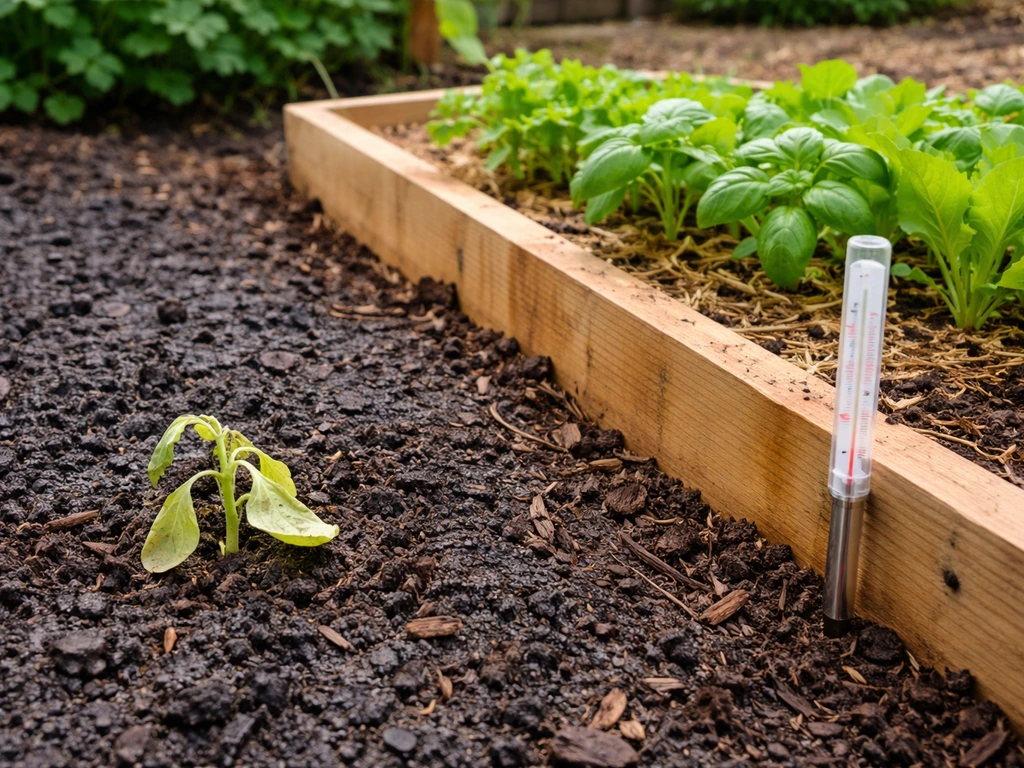
Squash are tender plants. They will not survive frost, and they struggle below about 10°C. That single fact drives all the timing decisions.
Sowing indoors
For most UK gardens, starting seeds indoors is the most reliable approach. Sow courgettes from mid-April in southern England and from late April in the Midlands, north of England, or Scotland. For winter squash and butternut, start in mid to late April across the UK to give the longest possible growing season. Sow individually into 7 to 9cm pots filled with multipurpose compost, push the seed in on its edge about 1cm deep, and keep them somewhere warm (around 18 to 21°C). A windowsill above a radiator or a heated propagator works well. Germination usually takes five to seven days.
Planting out
Do not rush to plant out. Squash planted into cold soil in May often just sit there, stressed and vulnerable, while a plant transplanted in late May or early June into warm soil will overtake it within two weeks. The safe rule is to wait until all risk of frost has passed and nights are reliably above 10°C. In southern England, late May to early June is usually right. In northern England and Scotland, early to mid-June is more realistic. Harden plants off first by leaving them outside in a sheltered spot during the day for a week or two before planting.
In colder regions or in colder years, you can sow directly outdoors in late May to early June, but cover the seeds with a cloche or a piece of fleece to boost soil temperature and protect against late cold snaps. It works, but an indoor start is more reliable.
Looking after your plants through the season
Spacing
Bush courgettes need about 90cm between plants. Trailing types, including most winter squash, need 120 to 150cm between them. This feels like a lot when you plant them as small seedlings, but squash grows fast and needs airflow between plants to keep disease pressure down. Don't be tempted to crowd them.
Watering
Squash are thirsty plants, and that thirst increases sharply once they start flowering and setting fruit. Water regularly in dry spells, directing water to the base of the plant and the surrounding soil rather than over the leaves. Wet foliage encourages fungal problems, especially powdery mildew. If you build a small raised ring of soil or compost around the plant when you transplant it, water pools there and soaks in rather than running off. Keep moisture consistent: irregular watering leading to periods of drought followed by heavy watering can cause poor fruit set and skin cracking.
Feeding
Squash are hungry plants. Before planting, incorporate a generous amount of well-rotted compost or manure into the planting hole. Once plants begin to flower, start feeding weekly with a high-potash liquid fertiliser (the kind you'd use for tomatoes works well). Keep this up through the cropping period. If you skip feeding, you'll get fewer and smaller fruits, and the plants will run out of energy earlier in the season.
Pollination
Squash produce separate male and female flowers on the same plant. Female flowers have a tiny proto-fruit at the base of the petals; male flowers sit on a plain stalk. Bees move pollen between them, and without that visit, the fruit shrivels and drops without developing. In good summers with plenty of bee activity this usually sorts itself out. In cold, wet spells or in very enclosed spaces (like a polytunnel early in the season), you may need to help things along. To hand-pollinate, pick a freshly opened male flower, peel back the petals, and dab the pollen-covered centre directly onto the sticky centre of a female flower. Do this in the morning when flowers are fully open.
Training and managing growth
Bush courgettes look after themselves pretty well. Just remove any yellowing leaves from the base as the season progresses to improve airflow. Trailing winter squash can be left to ramble across the ground, or trained up a sturdy trellis or over a polytunnel frame if space is tight. If a plant is producing lots of foliage but few fruits, pinching out the growing tip once three or four fruits have set will direct energy into ripening those fruits rather than extending vines.
Harvesting summer and winter squash
Summer squash
Harvest courgettes young, ideally at 10 to 15cm. Regular picking, every two to three days at peak season, keeps the plant producing. Leave a courgette too long and it becomes a marrow, which signals the plant to slow down production. Cut them from the plant with a sharp knife, leaving a short length of stem attached. The more you pick, the more you get. Summer squash can go from flower to ready-to-pick in just a few days in warm weather, so check daily.
Winter squash
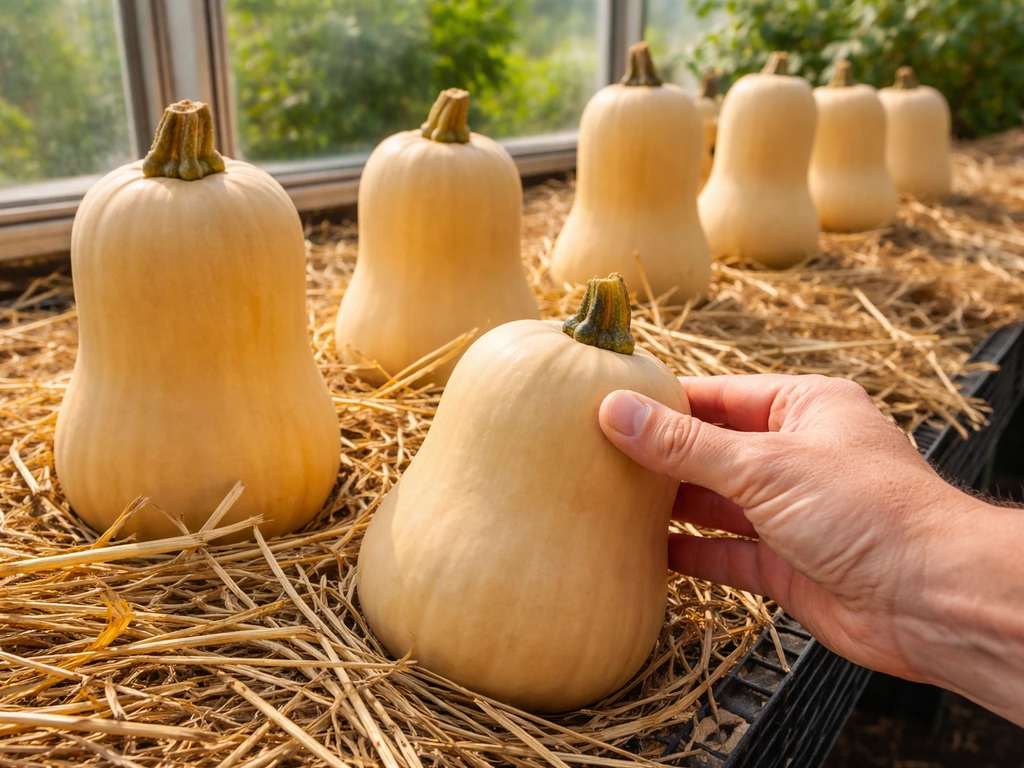
Leave winter squash on the plant for as long as possible. The fully ripe ones store far better than those harvested early. You'll know they're ready when the skin has hardened to the point where a fingernail won't puncture it easily, the stem begins to dry and cork over, and the foliage starts to die back naturally. Harvest before the first frost, cutting them with a good length of stem, at least 5cm, still attached.
After harvest, cure winter squash by leaving them in a warm place (around 24 to 27°C, so a sunny greenhouse, a warm windowsill, or a heated room) for about ten days. This toughens the skin and improves the flavour. After curing, store in a cool, dry, frost-free place at around 10 to 13°C. Crown Prince and butternut stored this way will keep for three to six months. Don't stack them; let air circulate around each fruit.
Common problems and how to deal with them
Cold and slow establishment
This is the single most common reason squash underperforms in the UK. Plants put out too early into cold soil just stall. If your transplants look pale and aren't growing after two weeks, cold stress is usually the cause. Cover with fleece at night, or dig them up and pot on temporarily until conditions improve. Prevention is better: wait until the soil has genuinely warmed before planting out.
Poor fruit set
If your plant is flowering but fruits keep shrivelling, the problem is almost always pollination. Check whether there are both male and female flowers open at the same time. Early in the season, plants often produce a flush of male flowers before any females appear; this is normal. Be patient, or hand-pollinate as described above. Poor pollination is especially common in wet, cold summers when bee activity is low.
Powdery mildew
Almost every squash grower in the UK will see powdery mildew at some point, usually from mid-summer onwards. It shows as a white floury coating on the upper surfaces of leaves. The disease infects between 10 and 32°C (with the optimum range 20 to 27°C), which overlaps neatly with a typical UK summer, so it's almost unavoidable as the season progresses. The best approach is to slow it down rather than try to stop it entirely. Good spacing for airflow, watering at the base rather than over the leaves, and removing affected leaves promptly all help. Some growers have success with a diluted milk spray (one part milk to nine parts water, applied to leaves daily for a week) as a preventive measure. Resistant varieties like 'Defender' help too. If mildew appears late in the season after you've had a decent harvest, don't panic, it's largely cosmetic at that point.
Vine weevil and slugs
Young transplants are vulnerable to slugs, especially in wet springs. Protect newly planted squash with copper tape, grit, or nightly slug patrols for the first couple of weeks. Once plants are established and growing vigorously, they're generally robust enough to shrug off light slug damage. Vine weevil can be a problem for container-grown plants; the larvae attack the roots through summer and autumn, causing sudden wilting. Use a biological control (nematodes) drench in late summer if you've had weevil problems before.
Short-season winters in colder regions
If you're gardening in Scotland, northern England, or any exposed or elevated site, the growing season for winter squash is genuinely short. Focus on the earliest-maturing varieties: 'Uchiki Kuri', 'Delicata', 'Avalon', and 'Early Nutter' are all better choices than standard butternut in these conditions. Start seeds in April under cover, plant out in early June with cloche protection, and don't expect to grow them in open ground without some shelter. A polytunnel changes everything here. For more on the best perennials to grow from seed uk in colder parts of the UK, our guide on what you can grow in Scotland goes into the regional realities in more detail.
Quick comparison: reliable UK squash varieties at a glance
| Variety | Type | Days to maturity | Best for | UK suitability |
|---|---|---|---|---|
| Courgette 'Defender' F1 (AGM) | Summer squash | ~55 days | All UK regions, beginners | Excellent |
| Courgette 'Parador' (AGM) | Summer squash | ~55 days | All UK regions, colour variety | Excellent |
| Courgette 'Zucchini' (AGM) | Summer squash | ~55 days | All UK regions, classic type | Excellent |
| Uchiki Kuri (Red Kuri) (AGM) | Winter squash | ~90–95 days | Shorter seasons, north of England | Very good |
| Butternut 'Avalon' | Winter squash | ~88 days | Mid UK, shorter season butternut | Very good |
| Butternut 'Early Nutter' F1 | Winter squash | ~85–90 days | Colder regions, early harvest | Very good |
| Butternut 'Winter Hunter' (AGM) | Winter squash | ~100 days | Southern England, good storage | Good |
| Crown Prince (AGM) | Winter squash | ~100–110 days | Southern England, long storage | Good |
| Delicata | Winter squash | ~80–85 days | Shorter seasons, compact plants | Very good |
If you're new to squash, start with one bush courgette like 'Defender' and one early winter squash like 'Uchiki Kuri' or 'Avalon'. That combination gives you reliable summer harvests and a chance at some stored winter squash without overcommitting to plants that need more space and attention than you might expect. Once you've grown them once, you'll know which type suits your garden, your season, and your appetite.
FAQ
What is the single best squash to grow in the UK if I only have a small garden or limited space?
Choose a bush courgette (courgette) rather than a trailing type, because bush plants need less room and are quicker to crop. A variety like 'Defender' is a good starting point, and you can grow one plant in a 30 to 40 litre pot if ground space is tight (just keep watering consistent).
Can I grow winter squash in the UK without a greenhouse or polytunnel?
Yes, but only if you match the variety to your local season length and use some protection. In the Midlands and north, plan for cloches or fleece at planting and consider a warm, sheltered microclimate (south or west wall, against fencing, or a raised bed). Standard open-ground butternut is much less reliable there.
Which winter squash is most forgiving in colder UK areas, but not as fussy as butternut?
Prioritise early-maturing winter types that cure well even when summers are short, such as Uchiki Kuri, Delicata, Avalon, and Early Nutter. These are usually more dependable than standard butternut because they finish earlier in the season.
How do I know if my winter squash has matured enough to store (not just “big enough”)?
Look for hardened skin that resists a fingernail, a drying and corking stem, and natural leaf dieback. Harvesting too early reduces storage life and flavour, so aim for full ripeness and always lift before the first frost.
Should I harvest my courgettes smaller or let them grow bigger?
Harvest courgettes at about 10 to 15 cm for best texture and maximum production. If you leave one to get large, it signals the plant to slow down, which usually reduces the total number of fruits over the following days.
My squash flowers but no fruit forms, what should I check first?
First confirm both male and female flowers are open around the same time. It is common to get an early flush of male flowers only, so wait for females to appear. In cold, wet spells (or in enclosed growing spaces), hand-pollination in the morning often fixes shrivelling and dropped fruit.
Can I speed up my squash if it’s taking too long in the UK spring?
Most delays come from cold soil stress, so don’t “push” growth by feeding early. Instead, warm the planting area (raise beds, use cloches, or fleece at night) and delay planting until nights are reliably above about 10°C. If your transplants stall after two weeks, protect or temporarily pot them on rather than adding extra fertiliser.
How often should I water squash in UK weather, and what’s a common mistake?
Water regularly in dry spells and keep moisture consistent once flowering begins, because drought followed by heavy watering can cause poor fruit set and skin cracking. Focus water at the base and surrounding soil, avoid soaking the leaves, and use raised rings to reduce runoff.
What spacing should I actually use for best results, and why does it matter?
Use about 90 cm between bush courgettes, and 120 to 150 cm for trailing types. Crowding reduces airflow, increasing disease pressure like powdery mildew and also makes watering harder to manage without splashing leaves.
How do I handle powdery mildew if it shows up early in the season?
It usually will appear in UK summers, so focus on slowing it rather than expecting it to vanish. Remove heavily affected leaves promptly, keep foliage drier, and maintain airflow through correct spacing. A preventative diluted milk spray (applied to leaves daily for a week) can help, and choosing mildew-tolerant varieties like 'Defender' reduces severity.
Do I need to cure winter squash even if I just want to eat it soon?
Curing mainly improves storage performance and flavour. If you want to eat immediately, you can, but the skin will not be as tough and the taste may be less sweet or rounded. For best results for later eating, cure warm for about ten days then store cool and frost-free.
What are the best ways to protect young squash from slugs and snails in wet UK springs?
Protect newly planted plants for the first couple of weeks, use copper tape or grit barriers, and do nightly checks or slug patrols if you have a history of damage. Once plants are established and growing strongly, they usually withstand light nibbling better.
Next Article
What Can You Grow in Portugal Easy Crops, Herbs, and Fruit
What you can grow in Portugal: easy vegetables, herbs, and fruits matched to climate, seasons, irrigation, and microclim