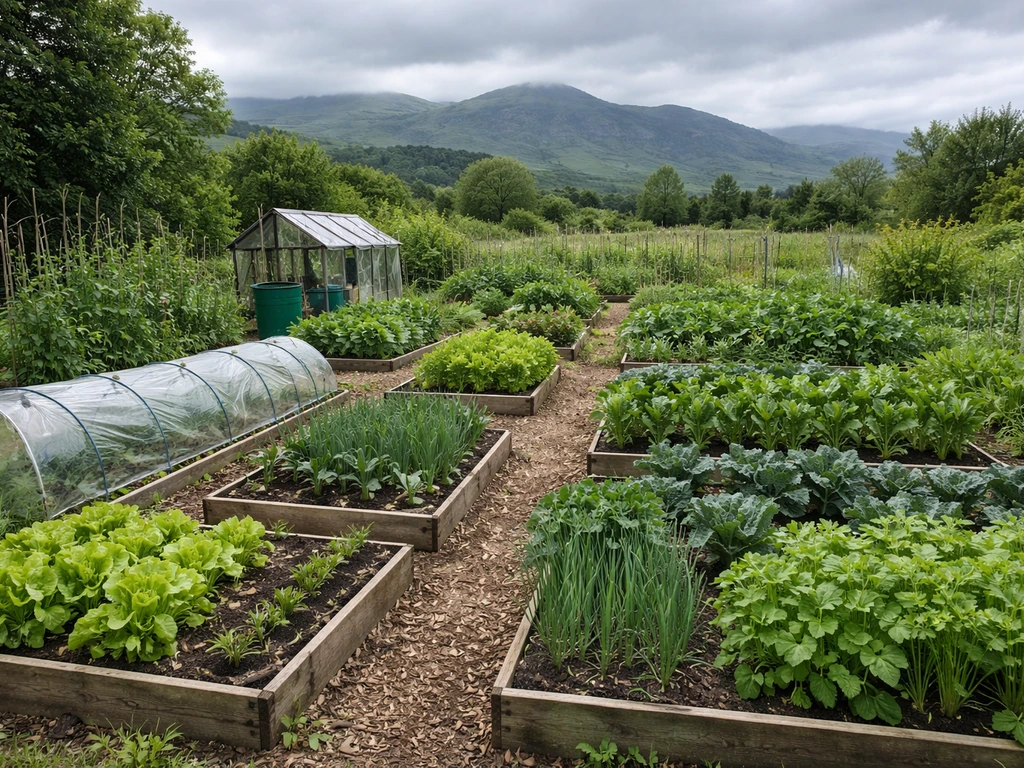
Portugal is one of the most generous growing climates in Europe. If you're used to asking whether something will survive a British summer, the answer in Portugal is almost always yes, and often with far less effort. The real questions are about timing (summers are hot and dry, winters mild and wet) and irrigation (without water in July and August, most crops simply stop). Get those two things right and you can grow a remarkable range of food and ornamental plants outdoors year-round, and that’s the core answer to what you can grow in Scotland. what can you grow in the uk. what do uk farmers grow
What Can You Grow in Portugal Easy Crops, Herbs, and Fruit
James Hartwell
24 Mar 2026
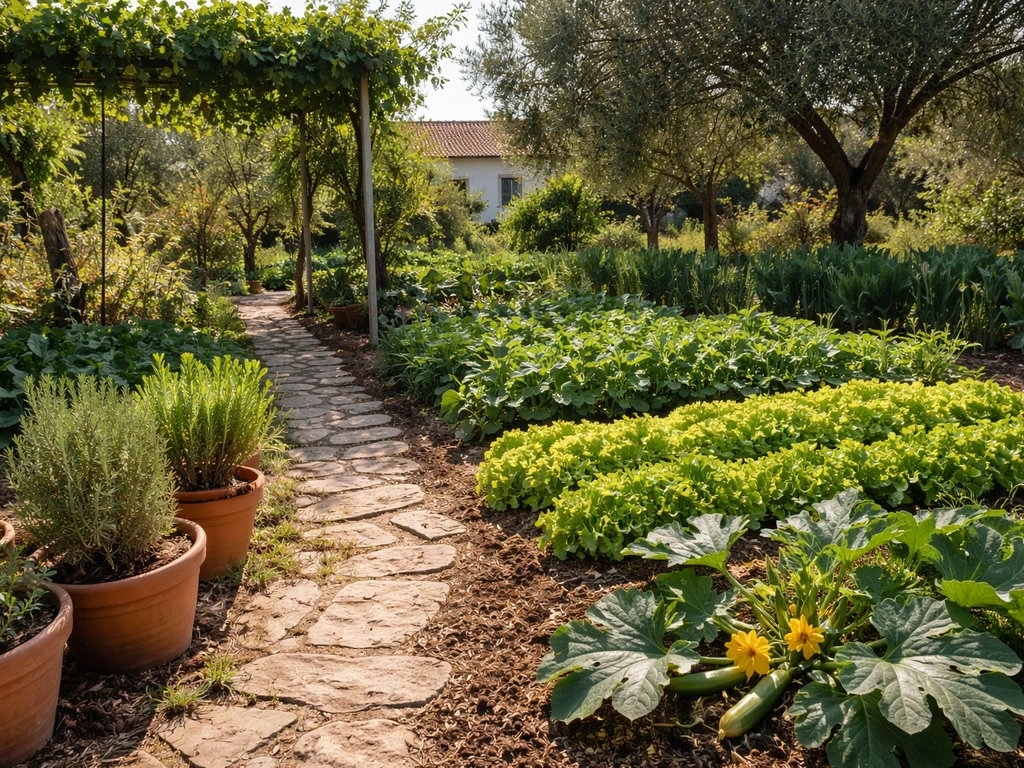
Portugal's climate: what it actually means for growers
Almost all of mainland Portugal falls under what climate scientists call a Csa or Csb Mediterranean pattern: warm to hot dry summers, mild wet winters, and very long frost-free seasons, so it’s common for people to grow plants at home here. IPMA's climate normals data shows the warmer Csa subtype (hot dry summer) dominating the interior and south, including the Alentejo, Algarve, and the Douro Valley. The Csb cooler variant applies to the northwest and higher elevations. In practical growing terms, this means two growing windows rather than one: a cool, moist season from autumn through spring, and a hot, dry period from roughly June to September when rain is largely absent and afternoon temperatures regularly exceed 35°C inland.
Frost risk is very low across most of the country. Coastal areas like Porto rarely drop below 0°C, and a frost regime study across the Iberian Peninsula found that much of southwest Portugal enjoys more than 271 frost-free days per year, which is close to nine full months without frost. Compare that to the UK's midlands, where you might get fewer than 180. The Algarve and coastal Alentejo can be essentially frost-free entirely. The exceptions are the inland plateaux of the Alentejo, the Beira Interior, and Trás-os-Montes, where January nights can drop to -5°C or colder and spring frosts catch people out.
Microclimates matter just as much here as they do in the UK, though for different reasons. A sheltered south-facing courtyard in Évora can feel almost subtropical in winter but scorching in summer. A north-facing slope near the Serra da Estrela can get sharp frosts. Coastal Lisbon and the area around Cascais benefit from Atlantic moderation but also face significant wind exposure: the western districts of Lisbon are among the windiest in Portugal, and strong westerly winds can stress or damage crops even when temperatures are mild. Windbreaks, whether a wall, hedge, or row of tall shrubs, are genuinely useful in those exposed spots.
Easy wins: vegetables that practically grow themselves
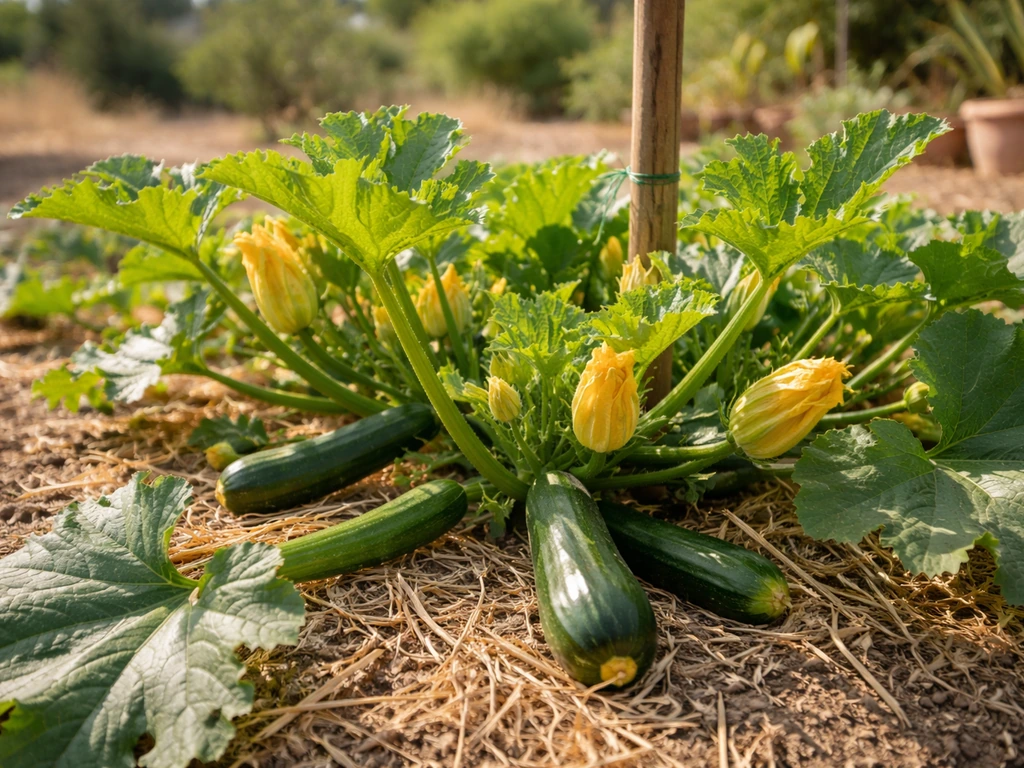
If you're starting out or just want reliable food from a plot in Portugal, the cool-season vegetables are your best friends. Tomatoes, courgettes, peppers, aubergines, and climbing French beans are all straightforward here because the climate suits them perfectly: long warm summers with plenty of sun. Tomatoes in particular are outstanding. You can sow indoors from February, transplant in April, and harvest from late June right through October. Bush and indeterminate varieties both work well; cherry types like Gardener's Delight or any locally sourced Portuguese variety tend to be more drought-tolerant.
Courgettes and squashes are almost embarrassingly easy. You can direct-sow from April in most regions, and plants grow fast in the warmth. You can direct-sow from April in most regions, and plants grow fast in the warmth. The challenge is not growing them but keeping up with the harvest and managing powdery mildew in August when air circulation drops. Peppers and aubergines, which struggle outdoors in most of the UK, thrive here without any protection. Start them off in February or March under cover and plant out after mid-April.
For the cool-season window (roughly October to April), think of Portugal like the UK's summer: it is genuinely your best growing period for brassicas, root vegetables, and leafy greens. Broccoli, cauliflower, cabbages, kale, broad beans, and peas all do well sown from September onwards. Broad beans sown in October will produce a heavy crop by March or April without any of the blackfly problems you get from a UK spring sowing. Carrots, beetroot, turnips, and leeks all perform well in the cool-season window too.
- Tomatoes: sow February indoors, plant out April, harvest June to October
- Peppers and aubergines: sow February/March, plant out mid-April
- Courgettes and squash: direct sow April, harvest July to October
- Climbing French beans: sow April outdoors, harvest July to September
- Broad beans: sow October, harvest March to April
- Brassicas (broccoli, cabbage, kale): sow August to September, harvest November to March
- Peas: sow October to November, harvest February to April
- Carrots and beetroot: sow September to October for winter/spring harvest
Herbs and salad crops: low-effort, high-reward
Mediterranean herbs are in their element in Portugal. Rosemary, thyme, oregano, sage, and [lavender](/hardy-garden-plants/does-heather-grow-in-scotland) will grow with virtually zero effort: plant them once, cut them back occasionally, and they'll persist for years. Rosemary in particular grows wild across much of southern Portugal and will reach shrub proportions in a few seasons. These herbs actually prefer a bit of neglect; over-watering or very rich soil produces lush but flavourless growth.
Basil is where many UK-trained gardeners get tripped up. It needs warmth to germinate and hates cold soil, but in Portugal it's a summer annual you can grow with ease from May onwards. Sow in April under cover or direct-sow in May once nights are reliably warm. It will bolt quickly in intense summer heat, so shade during the hottest part of the afternoon extends the useful harvest. Coriander and parsley are best grown in the cool season: autumn sowings will keep you supplied through winter far more reliably than a May sowing that bolts by June.
Salad leaves are ideal for the cool season. Lettuces, rocket, spinach, chard, and mizuna sown in September or October will grow steadily through autumn and winter for continuous picking. In summer, most salad leaves bolt and turn bitter fast, though heat-tolerant varieties like oakleaf lettuce or red batavia cope better if you give them afternoon shade. Mint grows vigorously year-round in a container where you can control the roots. Chives and flat-leaf parsley are reliable all-season plants. If you're interested in a broader list of herbs that do well outdoors, the guidance around outdoor herb growing in the UK also translates well to Portugal's cooler months.
Fruits worth growing: from basics to tree crops
Soft and cane fruit
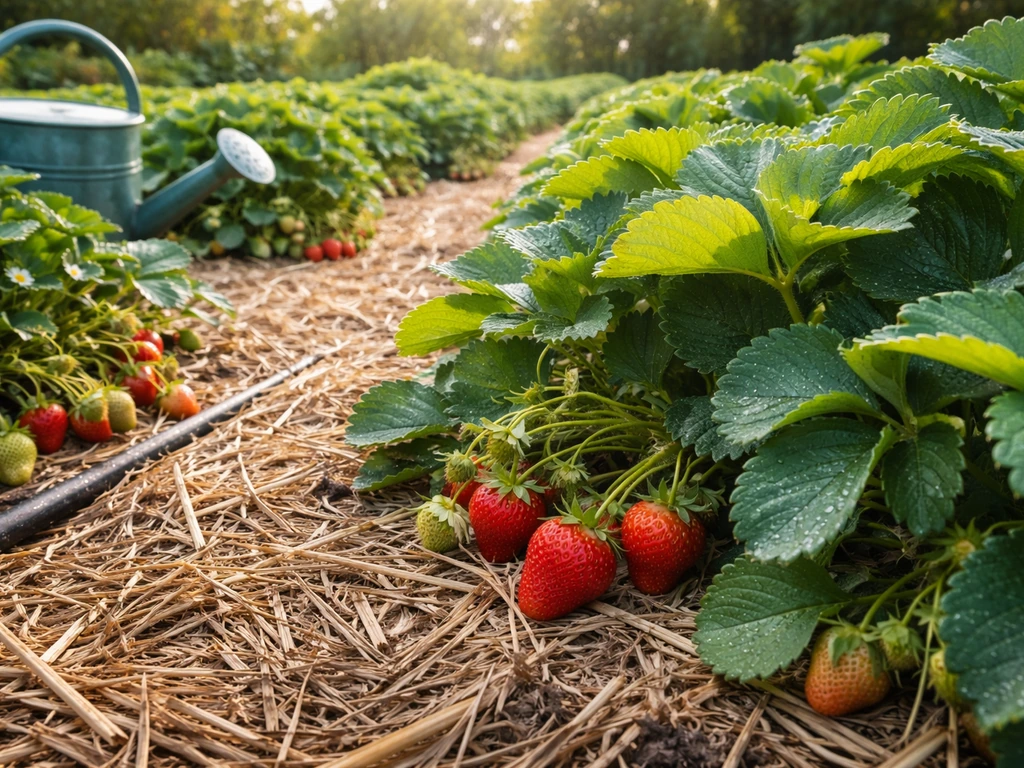
Strawberries crop well in the cooler months, particularly if you plant in autumn for a late winter to spring harvest. They struggle in the heat of a Portuguese summer so treat them as a cool-season crop rather than a summer one. Figs are exceptional and essentially self-sufficient once established; almost every traditional quinta in the Alentejo has them, and a mature tree produces more fruit than most households can use. They tolerate drought superbly.
Mediterranean tree crops
Olives, almonds, pomegranates, and carobs are the traditional backbone of Portuguese and Alentejo farming for good reason. They are drought-adapted, long-lived, and productive without irrigation once mature. Olives take several years to produce meaningfully but require almost no care. Almonds flower early (January to February) which can mean frost damage in inland frost-pocket sites, but on sheltered slopes they're reliable. Pomegranates fruit heavily and cope with summer heat that would kill a soft fruit bush outright.
Citrus is where Portugal really separates from anything you can reliably do in the UK. Oranges, lemons, mandarins, and grapefruits are grown commercially and in home gardens across the Algarve, coastal Alentejo, and sheltered Lisbon-area gardens. Lemons are the most cold-tolerant and forgiving for beginners. Avoid frost-prone inland spots for citrus; they need temperatures to stay above -3°C to -4°C, which is usually fine on the coast but marginal in the high Alentejo or Trás-os-Montes in a cold winter.
Grapes and other vine fruits
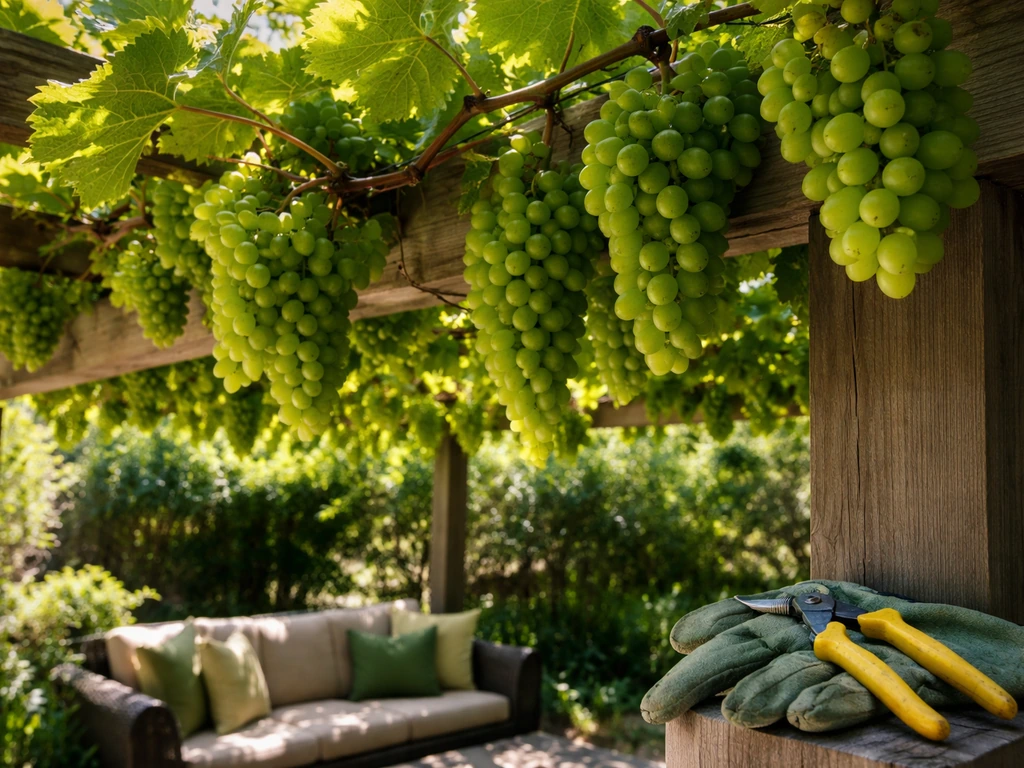
Grapevines are everywhere in Portugal and for good reason: the climate suits them. Even in a modest garden a single vine trained over a pergola will provide summer shade and a generous harvest of eating or wine grapes. Portugal's native varieties like Moscatel de Setúbal or local table grape cultivars are better adapted than northern European varieties, but most varieties will ripen reliably in the long warm summer. Kiwi vines also grow well in cooler, wetter northern Portugal (the Minho especially) with proper support.
Exotics and ambitious crops: what's possible and what usually fails
Portugal's climate opens the door to plants that UK gardeners can only dream of growing outdoors. Avocados are the most-asked-about exotic, and the answer is: yes, in the right spot. They need winter minimums above about 2°C and dislike waterlogged soil and strong wind. The Algarve coast and sheltered gardens in the Setúbal Peninsula grow them commercially. Inland Alentejo is marginal for avocado without wind and frost protection. Young trees are the most vulnerable; once established, a well-placed avocado can survive occasional mild frosts if they're brief.
Bananas and plantains grow vigorously in the Algarve and coastal areas. The Madeira banana is the classic choice, and while it won't survive a hard frost, it will die back to the ground and reshoot from the rhizome in most coastal Portuguese winters. Passion fruit vines (Passiflora edulis) do very well as wall-trained plants in sheltered sunny spots; they fruit reliably from summer into autumn. Guava (Psidium guajava) grows in frost-free coastal gardens; loquats (nêsperas in Portuguese) are one of the easiest and most productive exotic-seeming fruit trees, actually hardy enough for much of mainland Portugal and already common in gardens.
Where things typically go wrong with exotics: cold winds are more damaging than low temperatures alone, waterlogged winter soil kills roots that would otherwise survive mild frosts, and young plants are always far less hardy than established ones. If you're trying something borderline, plant in spring so it gets a full growing season before facing its first winter. Use a sheltered wall, pot up for the first winter if possible, and mulch the root zone heavily in November. Polytunnels extend what's achievable significantly, especially for crops like sweet potatoes, okra, or cape gooseberries, which need a longer warm season than even coastal Portugal reliably provides.
| Crop | Feasibility outdoors | Key risk / limiting factor | Best region |
|---|---|---|---|
| Avocado | Good in coastal/south | Frost below -2°C, wind, waterlogging | Algarve, Setúbal coast |
| Banana (Madeira type) | Good on coast | Hard frost, dies back but resprouts | Algarve, coastal Alentejo |
| Passion fruit | Very good in sheltered spots | Frost and strong wind | Most coastal areas |
| Loquat | Excellent, widely grown | Very hardy, few issues | Nationwide |
| Guava | Good in frost-free zones | Frost below -2°C | Algarve, coastal areas |
| Sweet potato | Possible with long warm season | Needs warm soil May to October | Alentejo, Algarve |
| Okra | Possible in south/polytunnel | Needs sustained warmth | Alentejo, Algarve |
| Cape gooseberry | Good with protection | Frost tender, needs long season | South or polytunnel |
How to plan your growing year: seasons, soil, water, and site
Match your crops to the two growing seasons
The single most important mindset shift for a UK-trained grower in Portugal is treating summer not as peak growing season but as a period of heat management and irrigation. The two productive windows are autumn to spring (October to May) for cool-season crops, and late spring to early summer (April to June) for warm-season crops before peak heat arrives. Many crops benefit from being planted so they produce before July rather than through it.
- October to November: sow broad beans, peas, winter brassicas, salad leaves, carrots, beetroot, garlic, onion sets
- December to February: maintain and harvest cool-season crops; start tomatoes, peppers, and aubergines under cover in February
- March to April: plant out tomatoes, peppers, aubergines after mid-April; sow courgettes, squash, French beans; plant potatoes
- May to June: peak planting of warm-season crops, direct sow basil, beans, sweet corn; irrigation becomes essential
- July to August: harvest and maintain; reduce sowing to heat-tolerant varieties; water deeply every 2 to 3 days minimum
- September: transition month; begin sowing autumn/winter crops again; remove exhausted summer plants
Soil and site preparation
Portuguese soils vary enormously. The Alentejo has heavy clay that bakes rock-hard in summer and becomes waterlogged in winter: deep autumn cultivation and generous organic matter (compost or well-rotted manure) makes a significant difference. Northern areas can be granitic and free-draining but low in nutrients. Adding compost improves both extremes. Raised beds help enormously in clay soils by improving drainage and warming up faster in late winter. Soil pH in most of Portugal is mildly acidic to neutral, which suits the majority of vegetable crops without amendment.
Mulching is not optional in Portugal; it is essential. A 5 to 8 cm layer of straw, wood chip, or dry grass clippings applied around plants in May dramatically reduces water loss, keeps roots cooler, and suppresses weeds that would otherwise compete for moisture. It is genuinely one of the highest-return tasks in a Portuguese kitchen garden.
Irrigation: the non-negotiable
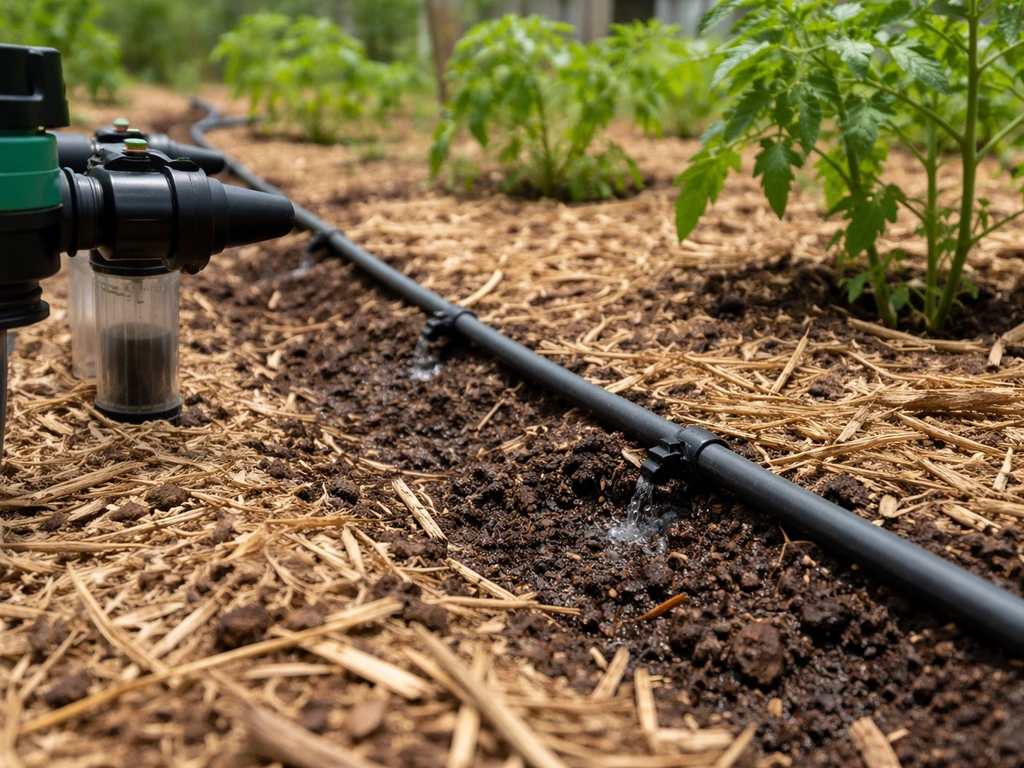
If you take one practical truth away from this guide, make it this: without planned irrigation, summer cropping in most of Portugal will fail. Drip irrigation is by far the most efficient and widely used method, and for good reason: it delivers water directly to roots, reduces evaporation losses, and can be put on a timer so you're not hand-watering through a 38°C afternoon. Even a basic gravity-fed drip system from a tank or direct mains connection is transformative. Water in the early morning or evening; watering in midday sun wastes water and can scorch plant tissue. Deep, infrequent watering (every two to three days for established crops in peak summer) encourages deeper rooting and more drought-resilient plants than daily shallow watering.
Using your microclimate
Think about what your specific site does. A courtyard with south-facing whitewashed walls will push temperatures several degrees above ambient: great for citrus, avocados, and basil, but you'll need to water more frequently. A north-facing slope in the interior will hold cold air in winter; avoid tender exotics there. Coastal sites with Atlantic winds need windbreaks before productive gardening is really possible, especially for tall crops like tomatoes, beans, and sweetcorn. Even a single row of bamboo, rosemary, or a wicker hurdle fence makes a noticeable difference to plant establishment and yield.
What to plant right now and what to plan for next
It's late March 2026. In most of Portugal, you are at an ideal transition point. The cool-season crops sown in autumn are wrapping up or already harvesting. Nights are still cool enough to plant cold-hardy crops for a late spring harvest, but you should also be starting warm-season crops under cover to plant out in April and May.
Right now, if you haven't already, sow tomatoes, peppers, and aubergines in small pots on a warm windowsill or in a cold frame. They need 6 to 8 weeks before they're ready to plant out, which puts you in the ideal window. Direct-sow beetroot, spring onions, and chard outdoors now; the soil is warming but evenings are still cool enough for good germination. Plant seed potatoes in the ground if you haven't already: early varieties work well from late February to March in southern Portugal, and you can still get them in the ground in the north right now.
For your first season, prioritize crops that suit the upcoming warm period and require relatively little infrastructure. Tomatoes, courgettes, climbing French beans, basil, and a fig tree or two if you have the space will give you visible results and genuine harvests without complex irrigation setups. Set up even a basic drip line before June: a soaker hose on a timer is inexpensive and will save crops that would otherwise fail in July. Plan your cool-season sowing for September so you have autumn greens, broad beans, and garlic going in as summer ends. That rhythm, warm season crops in spring, a quiet hot peak in July and August, then a cool-season restart in autumn, is the core of productive gardening in Portugal.
One last thing: talk to local growers or visit a nearby mercado in September to see what varieties people actually grow in your specific area. Local tomato and pepper varieties have been selected over generations for the exact conditions you're working with. They will outperform anything you bring from a UK seed catalogue, and they're usually available cheaply at local markets or garden centres. That local knowledge is worth more than any imported variety list.
FAQ
If I arrive in Portugal mid-summer, what can I still grow successfully?
Yes, but you need to treat Portugal as two seasons, not one. In most areas, sow cool-season crops (leafy greens, brassicas, roots) from September into spring, then switch to warm-season crops (tomatoes, courgettes, peppers) before the main heat arrives. If you try to grow everything through July and August without irrigation and shade, performance drops sharply even for “easy” crops.
What can you grow right now if it is hot in July and I missed the spring start?
Start with what already fits the timing, not what seems easiest in theory. If it is July or August, focus on crops you can harvest quickly (chard for baby leaves, some salad leaves if you can shade them, and fast herbs in containers). For most fruiting vegetables like tomatoes and aubergines, you typically need to have started transplants earlier under cover.
Is it enough to choose a mild area, or do winds matter for what you can grow in Portugal?
Coastal locations generally tolerate more cold-sensitive plants, but wind can be the real limiter. Citrus, avocados, and bananas often do well near the coast, yet exposed western districts can still stress crops due to salt-laden or drying winds. A practical approach is to plan windbreaks first (hedge, trellis, wall) and then choose the crop.
What if my garden has heavy clay soil, does that limit what I can grow?
If you have heavy clay, you can still grow a wide range, but you must change how you prepare and plant. Deep compost incorporation in autumn, raised beds, and mulching are the difference between roots rotting in winter and baking in summer. In clay, avoid planting too early in spring if the soil stays cold and wet.
How do I avoid failure of summer crops without spending loads on irrigation?
Many people lose water in the afternoon and then blame the crop. For summer crops, use drip irrigation timed for early morning or late evening, and aim for deep, infrequent watering to encourage deeper rooting. Daily shallow watering encourages weak roots and makes plants more vulnerable during heat spikes.
Which herbs and salad crops are most likely to fail in Portuguese summer heat, and how can I fix it?
Even with good watering, some crops will bolt or struggle if you ignore heat patterns. Basil bolts quickly in intense summer heat, and many salad leaves turn bitter fast. The workaround is afternoon shade (simple shade cloth or tall plants to screen) and switching to heat-tolerant varieties in summer.
Can I grow citrus in inland Portugal, or should I stick to coast-only areas?
Inland frost pockets are the main caution area, not the country overall. Citrus, some exotics, and tender fruit trees need winter minimums typically staying above about -3°C to -4°C, plus protection from cold-air pooling on sheltered but frost-prone ground. If you are in Beira Interior or Trás-os-Montes type areas, plant citrus only in the warmest sites you have.
What are the most common mistakes when trying exotics like avocado in Portugal?
For avocados and other borderlines, waterlogging is often more lethal than cold. Use a well-draining spot, avoid low areas that stay wet in winter, and consider containers or mounded planting for young trees. Young plants are the most vulnerable, so treat the first couple of winters as the make-or-break period.
What should I do differently for borderline exotics compared with normal vegetables?
Plant borderline crops in spring so they establish before their first winter, and protect them immediately once cold weather begins. Use a sheltered wall for wind, mulch heavily around the root zone in November, and if possible pot up for the first winter. Polytunnels can expand options, but even without one, site and protection matter most.
How do microclimates affect what you can grow in Portugal, even on the same property?
Microclimates change which crops you can grow well, especially for fruiting vegetables and citrus. A south-facing courtyard can be several degrees warmer than open ground, while a north slope can hold cold air longer. If you can, observe temperatures and drying wind in your exact corner before committing to citrus, avocado, or tall crops.
When should I plan my first “cool-season” planting to get autumn to spring harvests?
Yes, but prioritize the right time window. Most successful Portuguese garlic, broad beans, and autumn greens come from sowing in late summer or early autumn, then harvesting through winter or early spring. If you sow too late for the cool-season window, you get stunted growth before heat takes over.
Do raised beds actually help in Portugal, or can I grow in-ground without them?
Raised beds are particularly valuable in clay regions because they drain faster and warm sooner in late winter. That supports earlier spring growth for potatoes, leeks, carrots, and leafy greens, and it reduces winter rooting problems. Combine raised beds with organic matter and you can cover a surprisingly wide range of crops.
Next Article
What Can You Grow in Scotland: Practical Guide for Every Gardener
Discover what you can grow in Scotland, with plants that thrive outdoors, protection tips, and a seasonal checklist.